Episode 06. Reciprocating Pump – Working Principle

The reciprocating pump is a well-known type of positive displacement pump, often considered when pumping high-viscosity fluids or when high pressure is needed. In this episode, we look at the basic principles and key features of reciprocating pumps and discuss the additional factors for calculating NPSH in these pumps.

Episode 05. Centrifugal Pump – Performance Curve

In this episode, we discuss the construction of the performance curve for a centrifugal pump. We describe the relationships between flow rate and total dynamic head, flow rate and power, and flow rate and efficiency, observing their trends. Lastly, we explain how changes in impeller diameter or rotational speed, affect the performance curve.

Episode 03. Centrifugal Pump – Working Principle

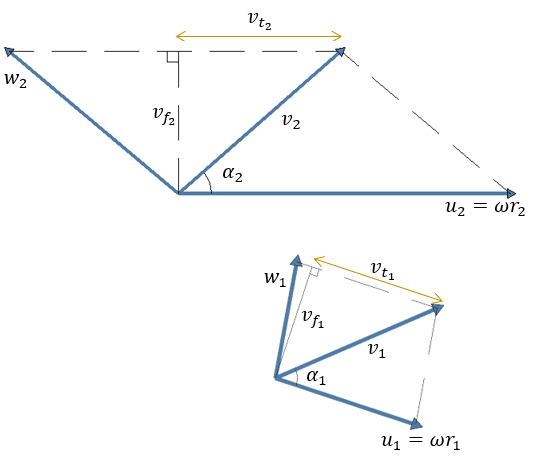
In this episode, we describe the principle of a centrifugal pump, one of the types of pumps. We start by briefly understanding centrifugal force and explain the key components: the impeller, the diffuser (or volute), and more. Based on the velocity triangles within the impeller, we’ll focus on discussing how centrifugal pumps increase the liquid’s energy.

Episode 02. Pump Head

When we check the pump’s performance, we often find the pump’s capacity and head. And when we design a pump system to avoid cavitation, we calculate the NPSH. In this episode, we describe the concept of head, the type of head in the pump, and NPSH.

Episode 01. What is a “Pump”?

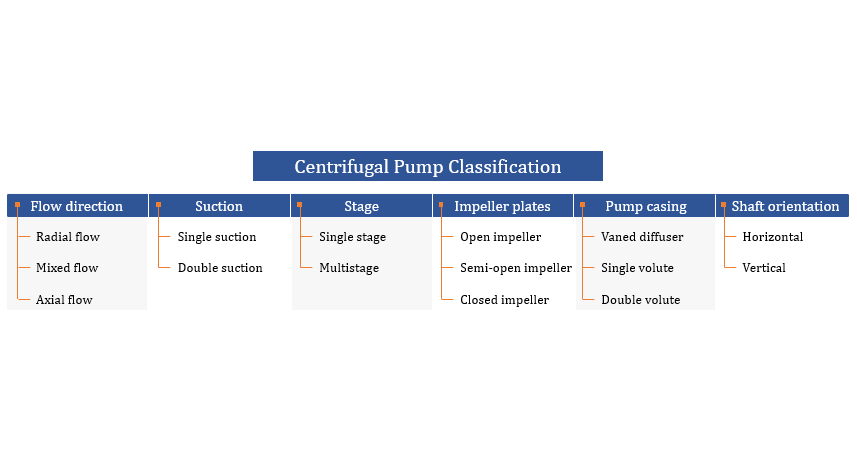
A pump is equipment that transports fluid. So how much does energy need to move the fluid to the desired location? In this episode, we briefly describe the Bernoulli equation and use this equation to explain the calculation of pump work. Finally, we explain the type of pumps.