Episode 03. Conduction – Unsteady State

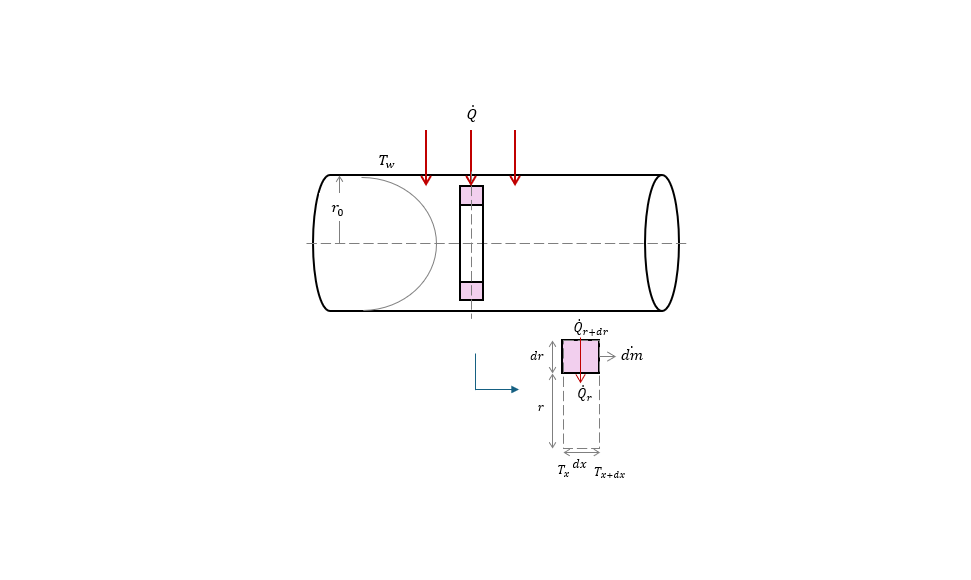
The temperature of an object does not necessarily remain constant during heat conduction. In this episode, we focus on the mathmatical modeling of conduction under unsteady state. Using partial differential equations (PDEs) in various coordinate systems- Cartesian, cylindrical, and spherical-we discuss how the temperature of an object changes over time.

Episode 02. Conduction – Steady State

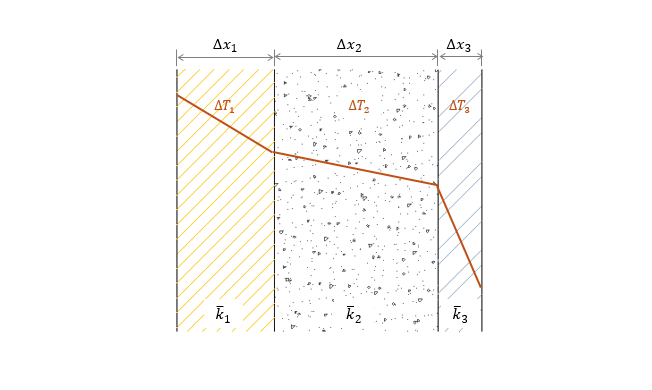
This episode covers conduction-one of the three modes of heat transfer. We start by examining thermal conductivity and derive the general conduction equation. Finally, we discuss how to calculate conduction under steady-state conditions for specific scenarios.

Episode 01. Types of Heat Transfer

heat transfer episode 01 thumnail

In industrial systems, temperature is a critical process variable, affecting equipment performance and process efficiency. Achieving the desired temperature requires an understanding of heat transfer principles. In this episode, we provide an overview of the three modes of heat transfer and their fundamental characteristics.

Episode 06. Liquid – Liquid Equilibrium

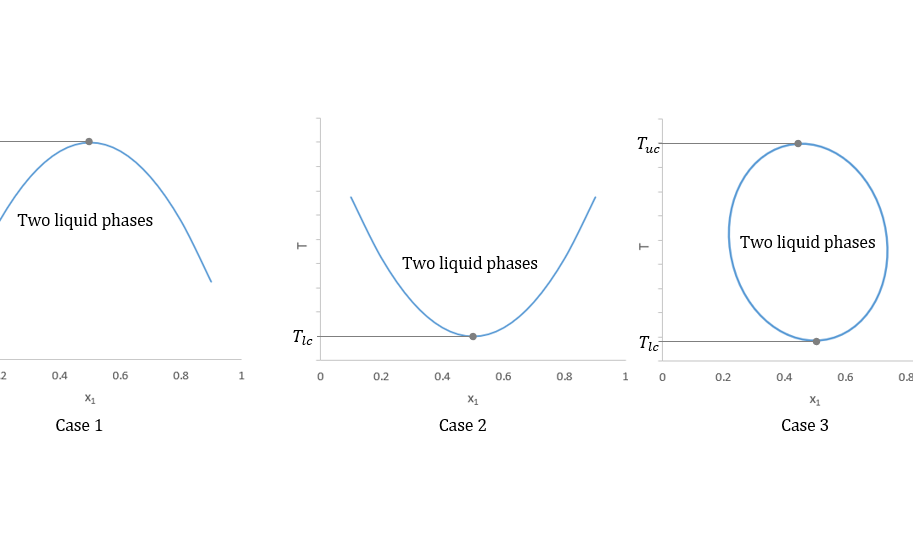
Liquid mixtures can exist in a single phase. However, they may also separate into multiple liquid phases. This episode covers liquid-liquid phase equilibrium under constant temperature and pressure. First, we determine the conditions for liquid-liquid phase equilibrium using fugacity. We then examine the Gibbs free energy behavior in phase equilibrium,.

Episode 05. Bimetallic Thermometer

bimetallic strip

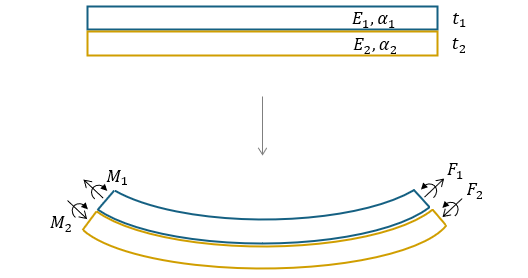
The bimatallic thermometer is a widely used type of thermometer that operates based on the difference in thermal expansion between two metals. In this episode we describe how bimetal strips respond to temperature changes depending on their configuration and introduce the features of bimetallic thermometers.

Episode 06. Reciprocating Pump – Working Principle

The reciprocating pump is a well-known type of positive displacement pump, often considered when pumping high-viscosity fluids or when high pressure is needed. In this episode, we look at the basic principles and key features of reciprocating pumps and discuss the additional factors for calculating NPSH in these pumps.